20 Years of Predictions. One Constant: Lazy.
Twenty years ago, education experts were already predicting “extended learning” (blended learning) and “ubiquitous wireless.” They weren’t wrong — those shifts happened. (You can literally see them listed as near-term technologies in the 2005 Horizon Report.)
But the same 20-year window also gave us a perfect reminder that technology alone doesn’t transform education. Big visions like One Laptop Per Child showed how quickly reality (business, politics, logistics, incentives) can overwhelm even the most inspiring tech-first idea. (COMMUNICATIONS of the ACM, 2009)
That’s why I’m sceptical of precise predictions today. With AI, we can’t even forecast the next three months.
What we can do is bet on a few human constants — and those constants matter even more in children’s activities: parents will always invest in child development, human-led experiences will stay premium, and community will always matter. (Even institutional work on e-learning has made the same point for years: tech only becomes valuable in education when people can actually use it in a meaningful way.) (OECD, 2001)
And one more constant I want to say out loud:
People are Lazy.
Not stupid.
Not bad.
Just allergic to friction.
And Lazy is exactly why automation keeps winning.
Lazy is the engine of innovation
Let’s say it clearly: humans are Lazy.
We avoid effort. We love shortcuts. We reduce friction. We choose convenience. We delegate what we don’t enjoy.
That’s not a moral failure. That’s a design requirement.
It’s also why innovation keeps winning:
- We invented washing machines because washing by hand was pain.
- We invented dishwashers because “later” became a lifestyle.
- We built robot vacuums because nobody dreams of vacuuming.
- We automated invoices, reminders, and planning because admin work is the silent killer of good businesses .
Lazy is not the opposite of progress.
Lazy is how progress gets funded.
The moment something becomes easier, cheaper, faster, and “good enough” — we adopt it. And we rarely go back.
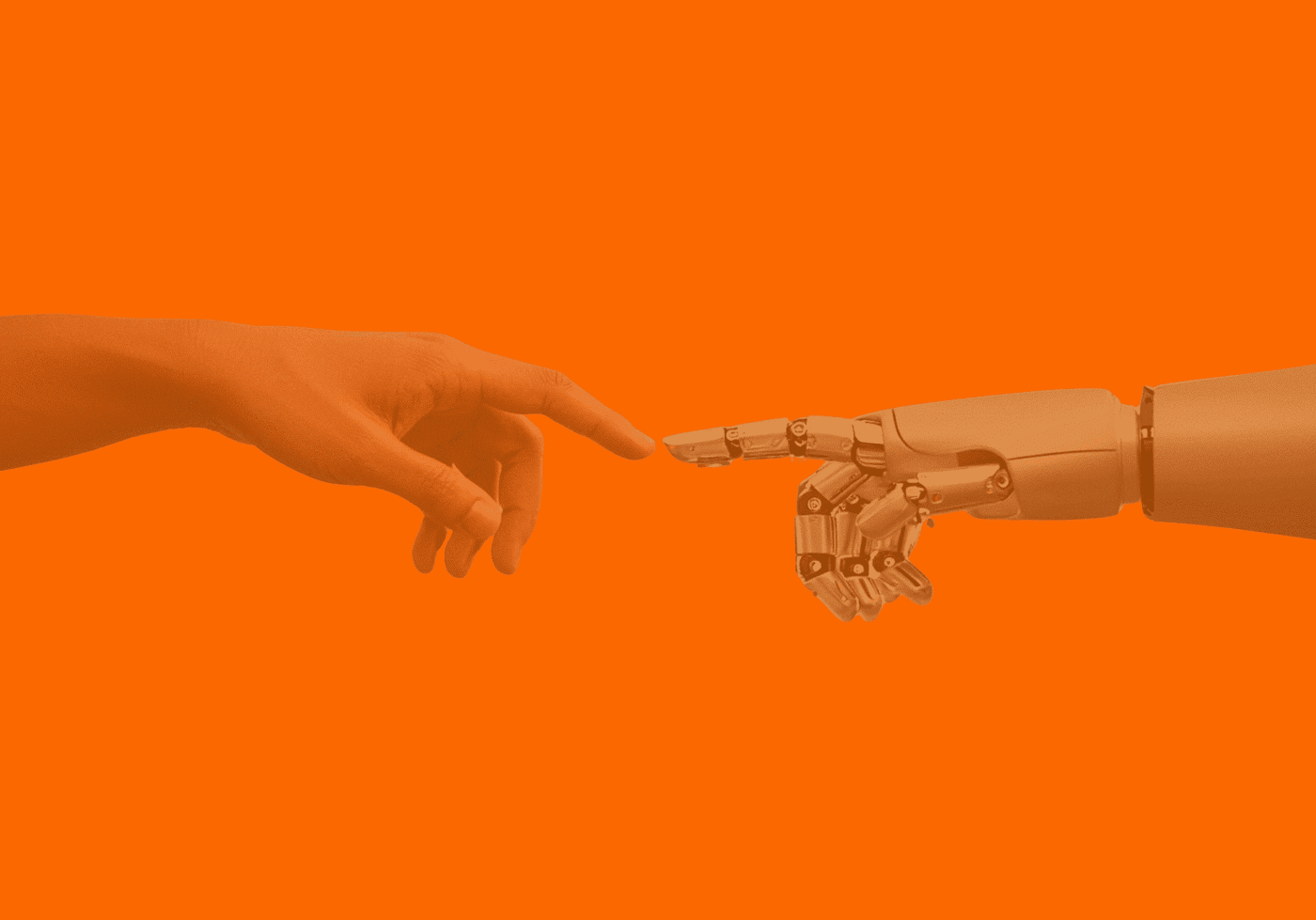
So… will robots teach kids training sessions?
And this is the biggest shift: access to knowledge is no longer scarce. Today, you can ask ChatGPT to generate a 6-month language course — weekly plan, daily exercises, explanations, quizzes, even role-play practice. That wasn’t realistically available to normal families “back then”. Now it’s close to free.
So the mass segment will grow fast: personalised learning, on-demand practice, and “good enough” improvement — without scheduling, commuting, or coordination.
Yes. Probably.
Also: robots already teach kids today. Not in a sci-fi way — in a boring, practical way. Think about a tennis ball machine. It can feed hundreds of consistent shots, at the exact speed, angle, and rhythm a coach wants. That’s “robot coaching” already. The next step is simply more sophistication: more sensors, more feedback, more personalisation.
In other words: the shift won’t be “humans → robots” overnight. It will be “humans + machines” first — and then machines quietly taking over the repetitive parts.
There will be robots that lead sports drills. AI tutors that teach languages. Systems that create personalised learning plans. Devices that correct posture, tempo, pronunciation, technique.
And for many families, it will be amazing — affordable, accessible, consistent, and always available.
This is the mass-market direction. It’s logical. It’s inevitable.
Because Lazy loves:
-
predictable
-
automated
-
on-demand
-
no coordination required
But here’s the counter-prediction: humans become premium
Even if robots can lead training sessions…
Human-led development will become premium.
Because humans don’t just “teach content.”They create:
-
trust
-
belonging
-
safety
-
attention
-
emotional connection
-
role-modeling
-
community rituals
And when it comes to kids, those things are not “nice to have.”
They are the product.
Parents don’t pay only for skills.They pay for the feeling that their child is seen, supported, and growing in a healthy environment.
That’s why I believe the market will split even more:
1) Mass segment (AI/automation at scale)
Accessible, affordable, efficient, “good enough”, and convenient.
2) Premium segment (human-led, community-based)
More expensive, more personal, more trusted, more meaningful.
And the premium segment won’t win because it’s trendy.
It will win because it’s human.
The thing parents will never outsource: care
Parents will always want their kids to grow well — physically, socially, emotionally, cognitively.
That won’t disappear.
If anything, the pressure increases. The world becomes louder, faster, more distracting — which makes parents crave high-quality development environments even more.
And this is where I’ll say something I genuinely believe:
Children’s activities and human education are on the good side of history.
Because whatever happens with technology, the mission stays clean:
Helping kids build confidence, capability, resilience, curiosity, and real social skills.
This is one of the rare industries where “growth” can actually mean something good.
You can’t predict the future. But you can build for constants.
If you try to predict the next 20 years in detail, you’ll lose.
If you try to predict the next 3 months of AI, you’ll lose even faster.
But you can build around a few durable truths:
-
Parents will invest in child development.
-
Human-led experiences will stay premium.
-
Community will always matter.
-
Lazy will keep pushing automation forward.
So the winning strategy isn’t “choose tech” or “reject tech.”
The winning strategy is:
Use tech to remove friction — so humans can do what humans do best.
One more “near future” thought: websites won’t stay the main place where new bookings start. Very soon, a big chunk of bookings will come directly from personal assistants (Claude, GPT, etc.). A parent will say: “Find a Saturday activity for a 6-year-old nearby, under €X, starting next week,” and the assistant will shortlist options and book it — without the parent browsing five websites and filling five forms.
That means the competitive edge shifts even more towards: frictionless booking, clean data, instant answers, and systems that can talk to other systems.
Automate admin.Simplify coordination.Reduce mistakes.Make the experience smoother for families.
Then invest your time where it actually matters:the coach, the instructor, the vibe, the relationships, the community.
Final thought: Lazy will automate the “how.” Humans will define the “why.”
Lazy will keep replacing tasks.
But human connection will keep defining value.
So yes — robots will teach.
But the most trusted, most loved, most premium children’s activities will still feel like this:
A real person. A real group. A real environment.A child being seen.A parent feeling safe.A community forming.
That’s not nostalgia.
That’s the future.
And honestly?
I’m happy to be building on that side of history.