No Barriers: How Localization Transforms Children’s Activities and Parent Communication
On Monday in Pune, Ms. Patel teaches maths through a Dunzo veggie delivery on the ring road. Kids shout the answer before she finishes the question.
That evening in Accra, Coach Ama swaps a flooded football pitch for a tactics class under a tree. No one complains—everyone learns.
In Montreal, Léa’s robotics reminder goes out in EN/FR with: “Entrance next to le café bleu.” Parents arrive calm and on time.
And in Melbourne, a WhatsApp voice note says: “38°C today. Bring hats and water—we’ll shorten drills.” Zero chaos.
Different places. Same outcome: when the message fits the map, people show up, engage, and pay without friction.
That’s localization. Or in Zooza’s words: No Barriers.
Why Localization Works (and the Data to Prove It)
It’s not just common sense. It’s measurable.
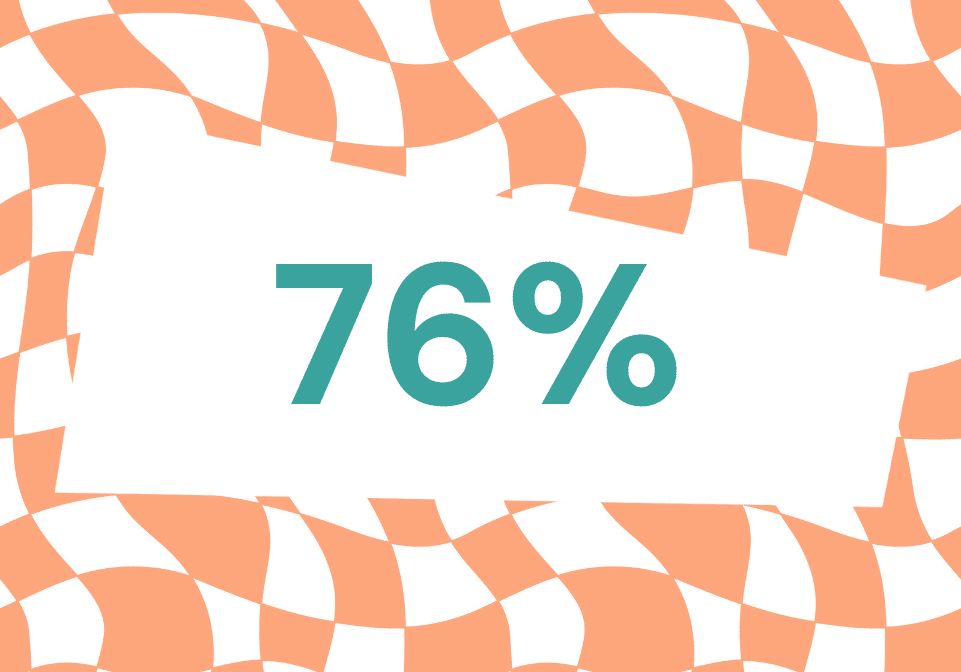
- 76% of consumers prefer buying in their own language; 40% won’t buy otherwise ( CSA Research ).
- In a U.S. randomized trial with 26,000 families , adaptive text messages cut chronic absence by 2.4–3.6 percentage points ( Institute of Education Sciences ).
- The OECD highlights that “one-size-fits-all no longer works” in education when serving culturally diverse classrooms ( OECD study ).
Localization is not decoration. It’s the difference between empty seats and full classes.
The Three Barriers You Can Remove Today
1. Content That Doesn’t Feel Like Home
“John goes to the county fair” means nothing in Pune.“Kids take the Elizabeth Line to a science fair” means something in London.
Swap foreign for familiar: local places, units, holidays, routines. Suddenly, abstract turns personal.
A recent study on language learning confirms: adapting materials to cultural and linguistic context lifts engagement.
2. Channels That Don’t Match the Moment
Parents don’t check email at the school gate.They do check WhatsApp.
- Urgent nudges → WhatsApp/SMS.
- Official stuff → Email (receipts, policies).
- Nurture → Monthly digest with photos and highlights.
Evidence is clear: SMS reminders increase attendance in schools (IES RCT) and programs (Mathematica study). Even in healthcare, SMS reminders boosted attendance rates.
3. Payments That Don’t Feel Natural
Families trust what they use everywhere else:
- UK/SEPA: Direct Debit is king— 4.8B payments in 2023 ( 7 Most Trusted Payments Methods in the UK for 2025 ).
- Euro area: SEPA Direct Debit volumes grew +2.7% YoY in H1 2024 ( ECB Payment Statistics ).
- Operational win: Bank-debit rails (ACH/SEPA/DD) see lower failure rates (~2.9%) compared to cards ( GoCardless Payment Success Index ).
Set the right default per venue, and late fees become history.
Region-by-Region: What “Local” Really Means
Europe
- UK: WhatsApp for quick nudges , Direct Debit for recurring.
- Slovakia/Czechia: Practical tone, short SMS reminders, crystal-clear amount + due date.
- Germany: SEPA Lastschrift + card; precise, no fluff.
- Romania: WhatsApp and calls for speed; email for receipts; bank transfers still alive.
India
Use everyday landmarks (metros, markets, cricket pitches). Support UPI/card. Clear entrances matter more than postcodes.
Africa (Ghana, Kenya, South Africa)
Traffic, weather, and language diversity shape the message. “Allow 10 minutes—roadworks near stadium” is a lifesaver. Two-language lines = inclusion.
Canada
Bilingual EN/FR by default. In winter: transit tips and entrance markers are not “nice-to-haves”—they’re survival.
Australia
Seasons flip. Heat notes and quick rebooking links for sudden storms. Parents expect proactive comms.
How to Measure Localization ROI
Localization moves the numbers you care about:
- Attendance ↑ after localized reminders ( Mathematica ).
- On-time payments ↑ with native defaults ( UK Finance ).
- Re-enrolment ↑ per venue/city.
- Parent NPS ↑ when info feels familiar.
- Questions ↓ (“Where’s the venue?” “How do I pay?”).
The “No Barriers” Playbook
- Map your micro-markets. Each venue has its own language, commute, and habits .
- Build tiny local kits. Two paragraphs of examples, holidays, and landmarks.
- Match message to moment. Urgent → fast channel; official → email; nurture → digest.
- Set the right payment default . Direct Debit, card, transfer—make it native.
- Transcreate, don’t just translate. Change idioms, units, and entrances.
- A/B test per venue . Evening vs morning sends; “Join trial” vs “Book your spot.”
- Track what matters. Attendance, payments, re-enrolments. Copy winners, drop losers.
Zooza: No Barriers, No Chaos
Zooza makes this operational, not theoretical:
- Per-venue settings → local comms + payments without breaking brand.
- Multi-language templates → emails, reminders, booking forms.
- Local payments → Direct Debit, SEPA, card, transfer.
- Analytics per venue/city → see where localization pays off.
Zooza. No Barriers. Make every class feel local—everywhere.
Final Word: Global Thinking, Local Delivery
Parents don’t want perfect branding. They want clarity, relevance, and ease.
Children don’t want abstract examples. They want to see their street, their weather, their game.
Localization is not extra. It’s education and business done right.
And the ones who get it? They grow—without barriers.