Stop Chasing KPIs: How to Actually Grow a Children’s Activity Business in 2026
Practical reporting, real business context, and metrics that actually support growth.
The children’s activity and education sector loves numbers.
Number of children.Number of groups.Attendance rates.Instagram followers.Full classes.
And yet, many businesses that look “successful on paper” still struggle to grow, reinvest, or simply breathe.
The reason is simple:
KPIs are often tracked without context — and without a clear connection to the real business goal.
This article is not about adding more metrics.It is about changing how you look at your business — practically, calmly, and without guilt.
First, let’s say this out loud
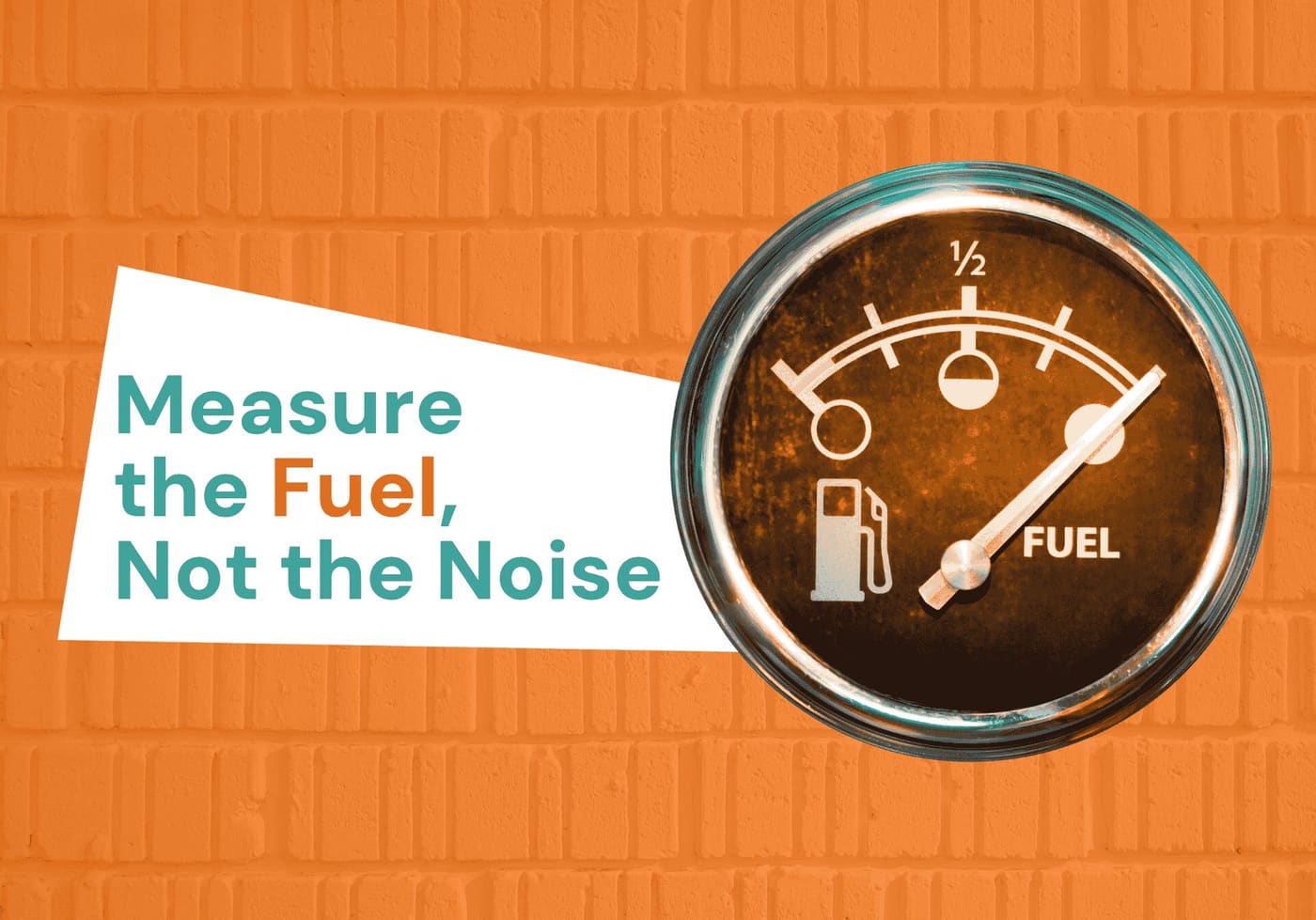
Parents’ money is not a problem. It is the fuel.
In children’s activities and education, there is still an unspoken discomfort around money.
But the reality is:
Parents’ payments are what allow you to develop methodology, pay instructors, improve quality, and grow impact.
There is no contradiction between purpose and profit.There is only sustainability — or burnout.
As management thinker Peter Drucker famously put it:
“What gets measured gets managed.” —but only if you are measuring the right things .
The real issue with KPIs in children’s activities
KPIs are not bad.They are just often misused.
Most providers track outputs:
- number of clients,
- number of groups,
- total revenue.
These numbers look reassuring — but they often hide the truth.
Common examples:
- More clients, but no money left to reinvest
- More groups, but many empty seats
- Higher revenue, but higher stress and chaos
- Growth that cannot finance itself
A KPI without context can be dangerously misleading.
The mindset shift for 2026: From “nice numbers” to real support for growth
Instead of asking:
- How many clients do we have?
Start asking:
- What actually supports our ability to grow next year?
That is the core paradigm shift.
Layer 1: Stop counting clients. Start looking at what stays.
The better question:
How much money actually remains for development after everything is paid?
This is not accounting theory.This is business reality.
Sometimes:
- fewer clients with healthy margin are far better than
- many clients with no breathing room.
A business that leaves nothing behind is not growing — it is consuming itself.
Layer 2: Stop counting groups. Start seeing lost potential.
In children’s activities, capacity is fixed.
If a seat is empty today, it is gone forever.
Instead of:
- “How many groups do we run?”
Ask:
How much potential are we leaving on the table every week?
Examples:
- empty seats in regular classes
- instructors paid for underfilled sessions
- locations with demand mismatch
This thinking is explored in more detail in “3 Empty Seats: The Hidden Goldmine in Your Existing Classes”, but the principle is broader:
Lost capacity is invisible revenue.
Layer 3: Look at your business as revenue streams, not “activities”
This is where many providers unlock growth without working more.
Instead of seeing your offer as:
“Children’s programmes”
Break it down into revenue streams:
- regular classes
- trial sessions
- workshops
- camps
- make-up sessions
- follow-up programs
- digital or hybrid content
Now ask:
Which of these actually finances growth — and which only keeps us busy?
This is standard business development thinking — and it applies just as much to education as to any other industry.
Why narrow KPIs often lead to wrong decisions
Here are a few uncomfortable truths:
- High attendance ≠ profitability
- Low churn ≠ healthy cashflow
- High revenue ≠ sustainable business
KPIs are signals, not goals.
When a KPI becomes the goal, decision-making becomes distorted.
This is why experienced franchise operators (as described in Nick Emspon’s step-by-step franchising guides) focus less on isolated numbers — and more on systems, comparability, and repeatability.
A simple, practical exercise (60 minutes, no tools needed)
If you want one concrete step for 2026, do this:
Create a “business reality snapshot”
- List all your revenue streams
- For each one, note: approximate income
- main costs (people, time, energy)
- Ask honestly: What funds development?
- What just consumes capacity?
This alone often changes how people look at KPIs forever.
No dashboards.No spreadsheets required.Just clarity.
Why this approach works better than chasing new metrics
Because it aligns measurement with real intent.
Not:
- “We should track this because others do.”
But:
- “Does this number help us build the business we actually want?”
That is the difference between reporting and management.
Where Zooza fits (quietly)
Zooza does not exist to add more KPIs.
It exists to:
- structure revenue streams,
- show capacity and real usage,
- connect operations, payments, and reporting,
- and give business owners context , not just numbers.
Because tools should support thinking — not replace it.
Final thought for 2026
You don’t need new KPIs.You don’t need complex dashboards.
You need numbers that clearly support your ability to grow — financially, operationally, and mentally.
Stop chasing “nice metrics”.Start measuring what actually sustains your mission.
That is how children’s activity businesses grow — without losing their soul.
Related reading:
- The KPI Powerhouse: How to Stop Guessing and Start Growing Your Children’s Activity Business
- 3 Empty Seats: The Hidden Goldmine in Your Existing Classes
- A Step-by-Step Guide to Franchising Your Children’s Activity Business (Nick Emspon)